
Regular Apartment Technical Inspections — Schedule and Checklist
Discover the complete schedule and checklist for regular apartment technical inspections. Learn what to check monthly, quarterly, and annually to protect your rental property.
26 May 2026 · 11 min · Zespół Brokik
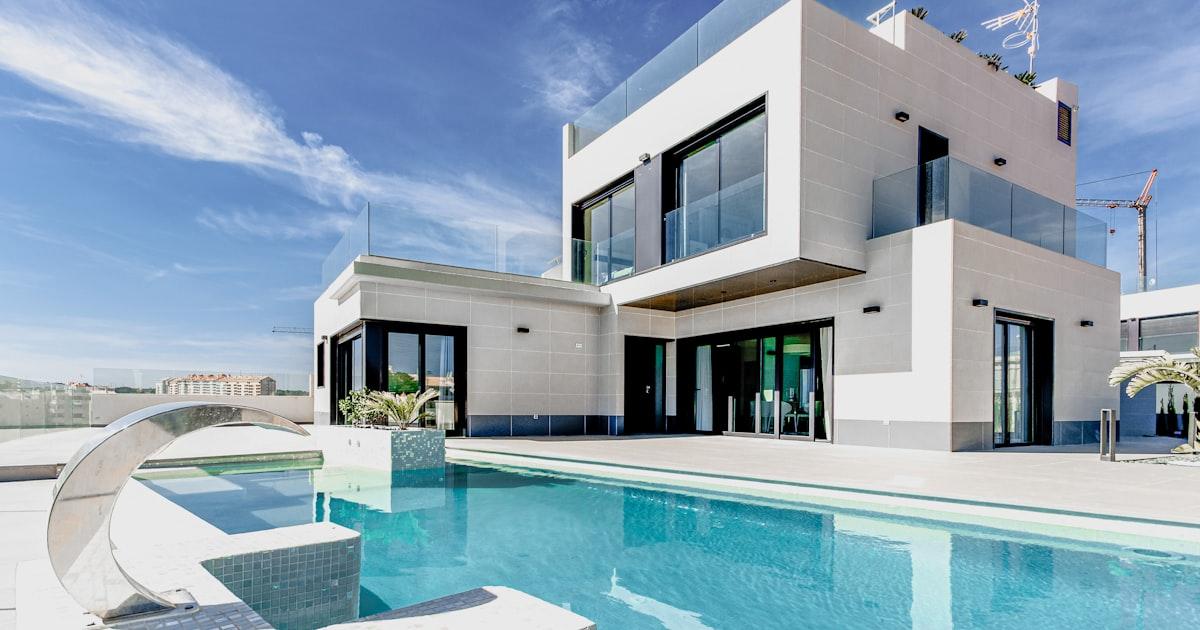
Regular Apartment Technical Inspections — A Complete Guide for Landlords
Preventive maintenance is the cornerstone of successful rental property management. Regular technical inspections help you identify problems before they become costly repairs, ensure tenant safety, maintain property value, and comply with legal obligations. Yet many landlords neglect this critical aspect of property management, often reacting to problems only when tenants report them — by which point, the damage is frequently more extensive and expensive to fix. This guide provides a comprehensive schedule and detailed checklists for apartment inspections at different intervals.
Why Regular Inspections Matter
Financial Protection
A small water leak left undetected for months can cause thousands of zlotys in damage to walls, floors, and even structural elements. Regular inspections catch these issues early when repairs are simple and inexpensive. Studies show that preventive maintenance costs approximately 40% less than reactive repairs over a property's lifecycle. For landlords managing multiple apartments, this difference can amount to significant savings.
Legal Compliance
Polish building law (Prawo budowlane) requires property owners to conduct periodic inspections of certain installations. Gas installations must be inspected annually, while electrical installations require inspection every five years. Chimney and ventilation systems also require annual checks. Failure to comply can result in fines and, more critically, liability in case of accidents.
Tenant Satisfaction and Retention
Tenants who see their landlord proactively maintaining the property feel valued and are more likely to renew their lease. High tenant turnover is one of the most expensive aspects of rental management, involving vacancy periods, marketing costs, and refurbishment between tenants. Regular inspections demonstrate professionalism and care.
Monthly Inspection Checklist
Monthly inspections can typically be done during brief property visits or even delegated to attentive tenants with proper guidance. These focus on items that can deteriorate quickly:
Plumbing and Water Systems
- Check under sinks in kitchen and bathroom for signs of leaks or moisture
- Test all faucets for proper flow and drainage speed
- Inspect toilet for running water or base leaks
- Verify washing machine connections are secure and hoses show no wear
- Check water pressure — sudden drops may indicate pipe issues
Ventilation and Air Quality
- Test bathroom and kitchen ventilation by holding tissue near vents — it should be drawn toward the vent
- Check window seals for condensation or mold formation
- Inspect corners and areas behind furniture for early signs of moisture or mold
- Verify that ventilation grills are clean and unobstructed
Safety Equipment
- Test smoke detectors by pressing the test button
- Verify carbon monoxide detector functionality (if applicable)
- Check that fire extinguisher is accessible and pressure gauge is in the green zone
- Ensure emergency exit paths are clear
Quarterly Inspection Checklist
Quarterly inspections are more thorough and should be conducted by the landlord or a trusted property manager. Schedule these inspections with adequate notice to tenants (typically 7-14 days in advance, as required by Polish law).
Electrical Systems
- Test all light switches and electrical outlets
- Check for flickering lights, which may indicate wiring issues
- Inspect visible wiring for damage, fraying, or discoloration
- Test the residual current device (RCD) by pressing its test button
- Verify that the fuse box labels are accurate and accessible
Windows and Doors
- Open and close all windows — check for difficulty or unusual resistance
- Inspect window seals and weatherstripping for deterioration
- Check door hinges for squeaking or misalignment
- Test all locks and handles for proper operation
- Inspect balcony door seals and drainage
Walls, Floors, and Ceilings
- Look for new cracks in walls or ceilings (mark existing ones to track progression)
- Check for water stains on ceilings, especially below bathrooms in upper floors
- Inspect floor tiles for looseness or cracking
- Check wooden floors for warping or swelling (signs of moisture)
- Examine silicone sealant in bathroom and kitchen for deterioration
Kitchen Appliances
- Test oven and stovetop functionality
- Check refrigerator temperature and door seals
- Inspect dishwasher connections and drainage
- Clean or replace range hood filters
- Check for gas smells near connections (if gas stove)
Semi-Annual Inspection Checklist
Twice a year — ideally in spring and autumn — conduct a more detailed inspection that includes seasonal considerations.
Spring Inspection (March-April)
- Inspect exterior walls and balcony for winter damage (frost cracks, water ingress)
- Check window frames and seals after the cold season
- Test air conditioning system before summer (clean filters, check refrigerant levels)
- Inspect gutters and drainage if applicable
- Check for pest activity that may increase with warmer weather
Autumn Inspection (September-October)
- Test heating system before winter (radiators, thermostat, boiler)
- Bleed radiators to remove air pockets
- Check window insulation and weatherstripping adequacy
- Inspect external drainage to prevent freezing blockages
- Verify that the property is prepared for potential temperature drops
Annual Inspection Checklist
Annual inspections are the most comprehensive and may involve professional technicians for certain elements.
Mandatory Professional Inspections
- Gas installation inspection — Required annually by Polish law. Must be performed by a certified technician. Covers all gas appliances, connections, and ventilation.
- Chimney and ventilation inspection — Required annually. Certified chimney sweep checks flue integrity, ventilation efficiency, and carbon monoxide safety.
- Electrical installation inspection — Required every 5 years, but annual spot-checks are recommended. A certified electrician tests insulation resistance, grounding, and overall installation safety.
Comprehensive Property Assessment
- Document the overall condition of the apartment with photographs
- Compare current condition with previous inspection records
- Assess wear and tear versus tenant-caused damage
- Review and update the property inventory list
- Plan maintenance budget for the coming year based on findings
- Update insurance coverage if property value has changed
Organizing and Tracking Inspections
Documentation Best Practices
Every inspection should be properly documented. Create a standardized inspection form that includes:
- Date and time of inspection
- Property address and unit number
- Inspector name (landlord, manager, or technician)
- Checklist items with pass/fail/needs attention status
- Photographs of any issues found
- Action items with assigned responsibilities and deadlines
- Tenant signature acknowledging the inspection (if present)
Digital Management
Keeping paper records for multiple properties quickly becomes unmanageable. Digital property management platforms like Brokik allow landlords to schedule inspections, store inspection reports, track maintenance tasks, and set automated reminders for upcoming inspections. Having all inspection data in one place makes it easy to identify recurring issues and plan preventive maintenance budgets.
Communicating with Tenants About Inspections
Proper communication is essential for smooth inspections. Keep these principles in mind:
- Provide adequate notice — Polish law requires landlords to notify tenants in advance before entering the property. Always communicate the date, time, and purpose of the inspection in writing.
- Be respectful of privacy — Conduct inspections efficiently and with respect for the tenant's personal space and belongings.
- Share findings — After the inspection, share relevant findings with the tenant, especially if any actions are required on their part (e.g., improving ventilation habits to prevent mold).
- Follow up on repairs — If issues are found, communicate the repair timeline clearly and follow through promptly.
Using Brokik's communication features, landlords can send inspection notifications, share reports, and coordinate repair schedules with tenants — all within a single platform, ensuring nothing falls through the cracks.
Cost Planning for Maintenance
A general rule of thumb is to budget 1-2% of the property's value annually for maintenance and repairs. Breaking this down:
- Routine maintenance (monthly/quarterly tasks): approximately 30-40% of the annual budget
- Mandatory inspections (gas, chimney, electrical): approximately 10-15% of the annual budget
- Reactive repairs (unexpected issues): approximately 25-30% of the annual budget
- Capital improvements (appliance replacement, renovation): approximately 20-30% of the annual budget
Summary
Regular technical inspections are not an optional extra in rental property management — they are a fundamental requirement for protecting your investment, ensuring tenant safety, and maintaining legal compliance. By following the structured schedule and checklists outlined in this guide, you can systematize your maintenance approach, catch problems early, and keep your property in excellent condition year after year. Digital tools like Brokik streamline the entire process, from scheduling and reminders to documentation and cost tracking, making it possible to manage even a large portfolio with confidence and efficiency.
Start your 45-day free trial
Manage your rentals more easily with Brokik - agreements, settlements and documents in one place.