
Rental Apartment Insurance — What It Should Cover
A complete guide to insurance for rental properties. Learn what your policy should cover, how to choose the right coverage, and how to avoid common gaps that leave landlords exposed.
1 Jun 2026 · 11 min · Zespół Brokik
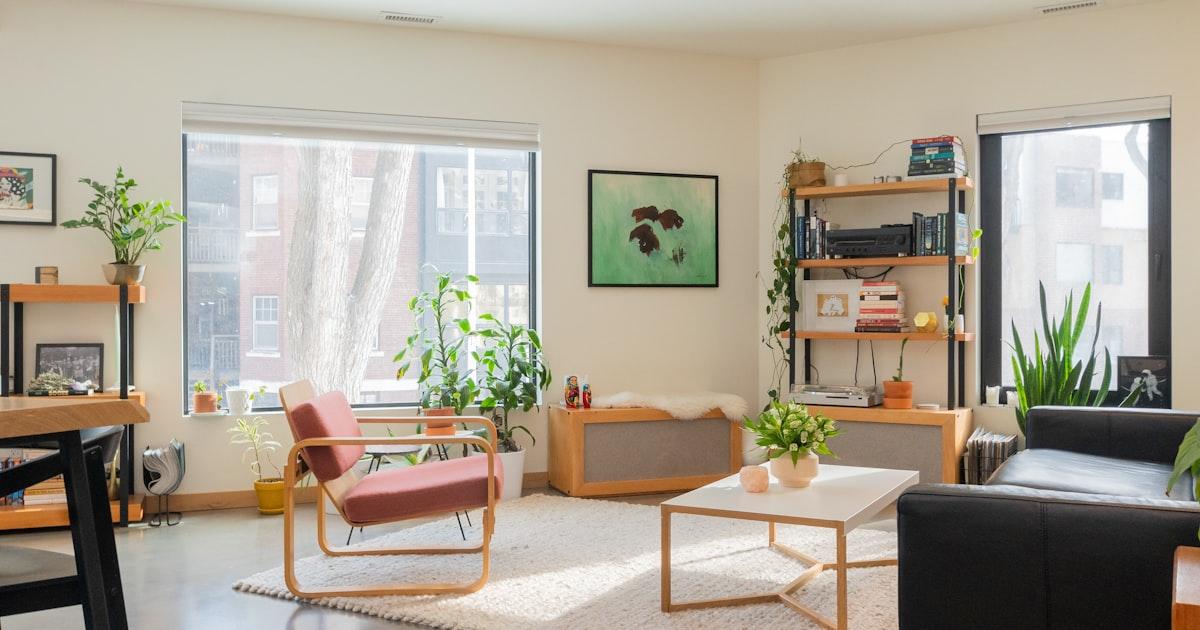
Rental Apartment Insurance — A Complete Guide for Landlords
Insurance is one of the most overlooked aspects of rental property management, yet it can be the difference between a minor inconvenience and a financial catastrophe. A burst pipe flooding the apartment below, a fire started by a faulty appliance, or a tenant injuring themselves on a broken staircase — these scenarios can cost landlords tens of thousands of zlotys without proper coverage. This guide explains exactly what rental property insurance should cover, how to evaluate policies, and how to ensure you are fully protected.
Why Standard Homeowner Insurance Is Not Enough
Many landlords make the mistake of maintaining their standard homeowner insurance policy after converting a property to a rental unit. This is a critical error. Standard homeowner policies are designed for owner-occupied properties and typically exclude or limit coverage for rental activities. If a claim arises from a rental situation and your insurer discovers the property is tenant-occupied under a homeowner policy, they may deny the claim entirely.
Rental property insurance (also called landlord insurance) is specifically designed for properties occupied by tenants. It accounts for the unique risks associated with renting, including reduced control over daily property use, higher liability exposure, and the potential for longer detection times for problems like water leaks.
Essential Coverage Components
Property Damage (Ubezpieczenie mienia)
This is the foundation of any rental property insurance policy. It covers physical damage to the building structure and permanent fixtures from insured events. Essential elements include:
- Fire and smoke damage — Coverage for damage from fire, regardless of origin, including smoke damage to walls and ceilings
- Water damage — Burst pipes, flooding from upper floors, appliance leaks, and water ingress from weather events
- Storm and weather damage — Wind damage, hail, heavy rain, and snow load damage
- Vandalism and malicious damage — Deliberate damage by third parties, including in some cases, tenant-caused damage
- Electrical damage — Short circuits, power surges, and lightning strikes affecting electrical installations
- Theft and burglary — Coverage for break-in damage and theft of fixtures (separate from tenant's contents insurance)
When evaluating property damage coverage, pay close attention to the insured sum. It should reflect the full replacement cost (not market value) of the property, including all permanent fixtures, installations, and structural elements.
Civil Liability (Odpowiedzialność cywilna)
Civil liability insurance protects landlords against claims from tenants, their guests, or third parties who suffer injury or property damage related to the rental property. This is arguably the most important component because liability claims can be financially devastating. Coverage should include:
- Tenant injury claims — If a tenant is injured due to a building defect (loose railing, damaged flooring, faulty electrical outlet)
- Third-party property damage — If a problem in your property damages a neighboring unit (e.g., water leak affecting the apartment below)
- Visitor injuries — Claims from guests or service providers who are injured on the property
- Legal defense costs — Attorney fees and court costs for defending against liability claims
A minimum liability limit of 100,000-500,000 PLN is recommended, though landlords with larger portfolios or higher-value properties should consider higher limits.
Loss of Rental Income (Utrata czynszu)
This coverage compensates landlords for lost rental income when the property becomes uninhabitable due to an insured event. For example, if a fire requires extensive repairs that take three months, loss of income coverage would reimburse the rent you would have received during that period. Key considerations:
- Coverage typically applies for a maximum period (often 12-24 months)
- The insured amount should match your actual monthly rental income
- Some policies include coverage for necessary alternative accommodation costs for displaced tenants
- Waiting periods (deductibles measured in days) may apply before coverage begins
Contents and Equipment (Wyposażenie)
If you rent out a furnished apartment — which is common in Polish rental markets, especially for short and medium-term rentals — you need coverage for the contents you provide:
- Furniture (beds, sofas, tables, wardrobes)
- Household appliances (refrigerator, washing machine, dishwasher, oven)
- Electronics provided (TV, router, air conditioning units)
- Fixtures and fittings (blinds, curtains, light fixtures)
Maintaining an up-to-date inventory of all contents with their estimated values is crucial for claims. Platforms like Brokik allow landlords to maintain detailed property inventories with photographs, making it easy to document what needs to be insured and providing evidence in case of a claim.
Additional Coverage Options
Legal Protection Insurance (Ochrona prawna)
Disputes with tenants can be expensive, even when you are in the right. Legal protection insurance covers:
- Attorney fees for tenant disputes
- Court costs and filing fees
- Mediation costs
- Costs related to eviction proceedings
Rent Default Insurance (Ubezpieczenie od zaległości czynszowych)
Some insurers offer coverage for situations where tenants stop paying rent. While not widely available in Poland yet, this type of coverage is growing. It typically covers:
- Unpaid rent for a limited period (usually 3-6 months)
- Legal costs for recovering unpaid rent
- Costs associated with tenant eviction
Glass Breakage (Ubezpieczenie szyb)
Standard property policies may not cover glass breakage separately. If your property has large windows, glass balcony railings, or glass shower enclosures, consider adding this coverage. It protects against accidental breakage of fixed glass elements.
How to Choose the Right Policy
Assess Your Risks
Every rental property has a unique risk profile. Consider:
- Building age and condition — Older buildings may have higher risks for plumbing failures, electrical issues, and structural problems
- Location — Ground-floor apartments face higher flood risks; top-floor units face higher water ingress risks from the roof
- Installation type — Gas installations carry specific risks compared to all-electric properties
- Tenant profile — Student accommodations may have different risk profiles than family rentals
- Furnishing level — Fully furnished apartments need higher contents coverage
Compare Policies Systematically
When comparing insurance offerings, create a spreadsheet tracking:
- Coverage limits for each component (property, liability, contents, income)
- Deductibles (excess amounts) for different claim types
- Exclusions — what is specifically not covered
- Annual premium costs
- Claims process and average settlement times
- Customer reviews and financial stability of the insurer
Watch for Common Exclusions
Most policies contain exclusions that can catch landlords off guard:
- Gradual damage — Slow water leaks or progressive mold growth may be excluded if they result from neglected maintenance
- Wear and tear — Normal deterioration of materials and equipment is never covered
- Unoccupied property — If the property is empty for an extended period (typically over 30-60 days), some coverages may be suspended
- Illegal modifications — Damage resulting from unauthorized structural changes or unpermitted installations
- Pre-existing conditions — Issues that existed before the policy start date
Cost Considerations
The cost of rental property insurance in Poland typically ranges from 200 to 800 PLN annually, depending on coverage scope, property value, and location. This breaks down to roughly 17-67 PLN per month — a small fraction of monthly rental income that provides essential protection. Factors affecting premium costs include:
- Property value and size
- Coverage limits and deductible amounts
- Building age and construction type
- Location and flood zone classification
- Claims history
- Additional coverage options selected
Managing Insurance Across Multiple Properties
Landlords with multiple properties face the challenge of managing different policies, renewal dates, and coverage levels. Some practical approaches include:
- Portfolio policies — Some insurers offer multi-property policies with simplified administration and potential volume discounts
- Centralized tracking — Use property management tools like Brokik to store policy documents, track renewal dates, and set reminders for policy reviews
- Annual review — Review all policies annually to ensure coverage keeps pace with property values, rental income changes, and portfolio additions
- Broker relationship — A specialized insurance broker can help optimize coverage across your entire portfolio
Claims Process Best Practices
When damage occurs, the efficiency of your claims process depends largely on your preparation:
- Document immediately — Photograph all damage as soon as it is discovered, before any cleanup or repair begins
- Notify your insurer promptly — Most policies require notification within a specific timeframe (often 3-7 days)
- Preserve evidence — Keep damaged items until the insurer has inspected them or given approval for disposal
- Maintain records — Having up-to-date property inventories and condition reports (such as those created through Brokik's handover protocol feature) significantly speeds up the claims process
- Get repair estimates — Obtain at least two written quotes for repairs before proceeding
Summary
Proper insurance is a non-negotiable element of responsible rental property management. It protects your financial investment, covers your liability exposure, and provides peace of mind when unexpected events occur. The key is to choose coverage that matches your specific property risks, avoid common gaps in protection, and maintain thorough documentation to support any future claims. Combined with professional property management practices — supported by tools like Brokik for inventory tracking, condition documentation, and financial record-keeping — comprehensive insurance forms the safety net that every professional landlord needs.
Start your 45-day free trial
Manage your rentals more easily with Brokik - agreements, settlements and documents in one place.